Capela Gold
Explore the Capela Gold Project
Capela Gold
Explore the Capela Gold Project
Overview
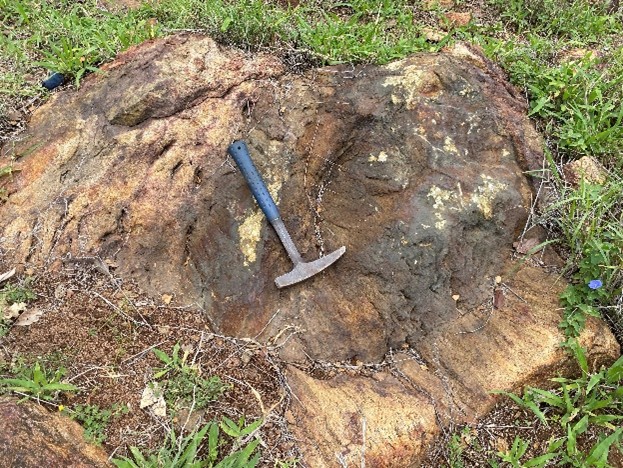
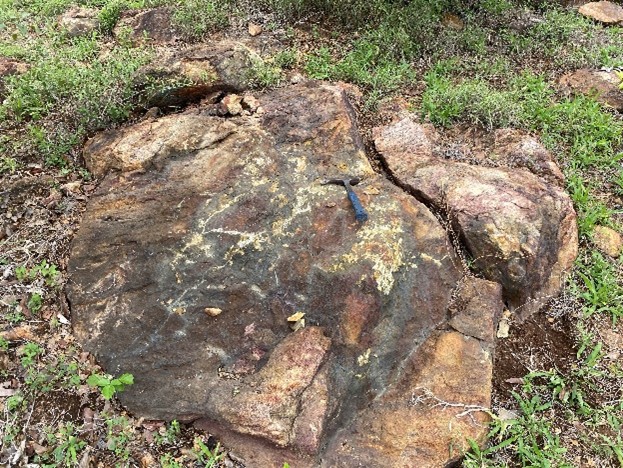
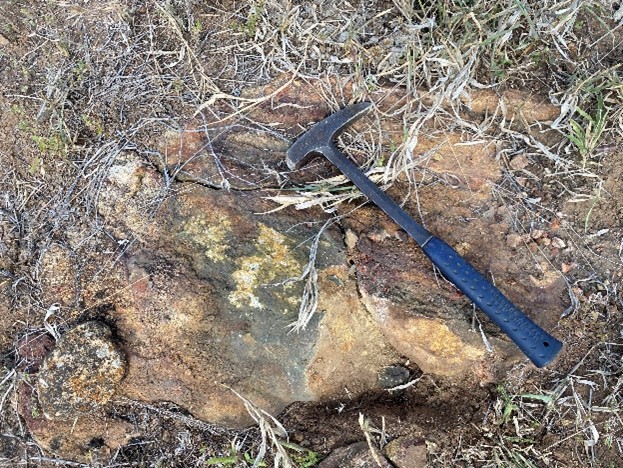
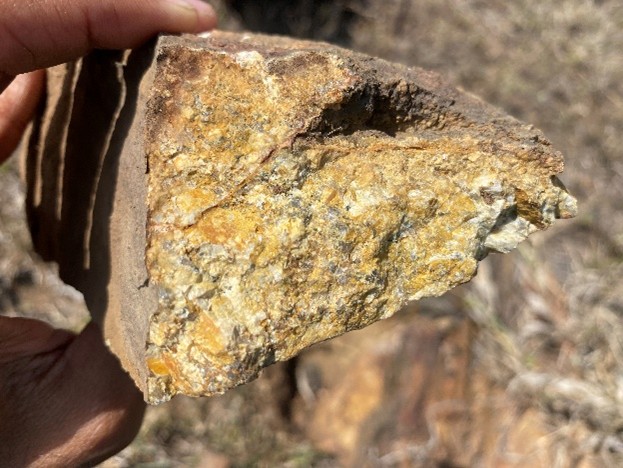
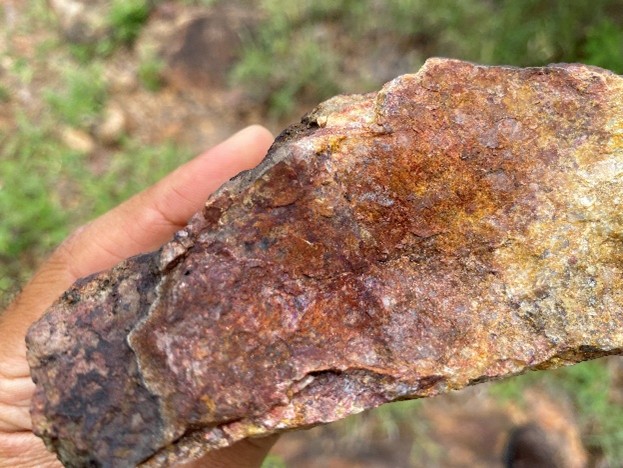
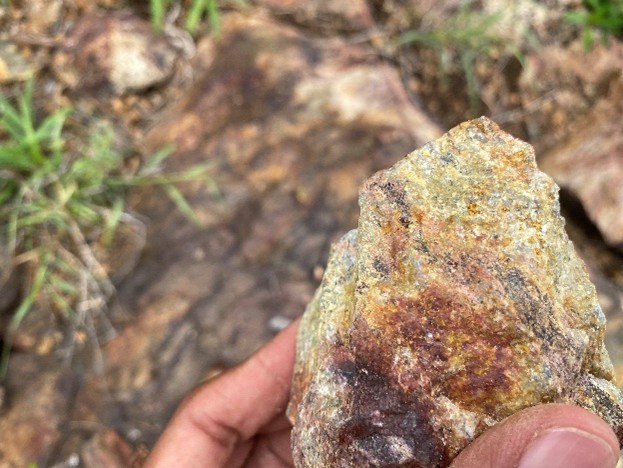
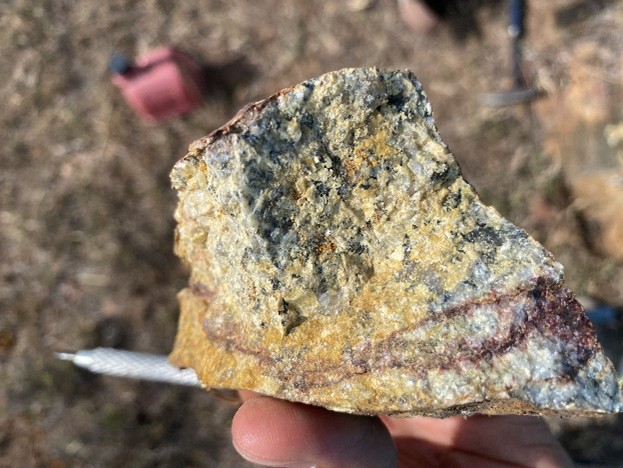
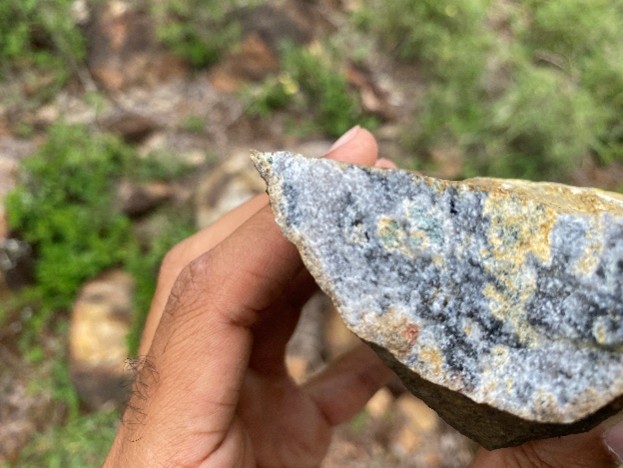
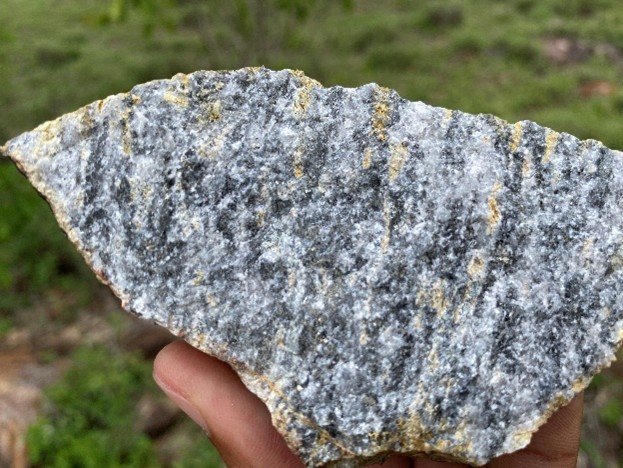
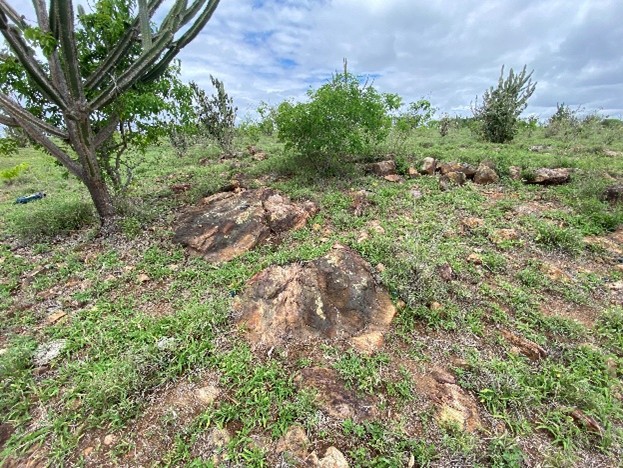
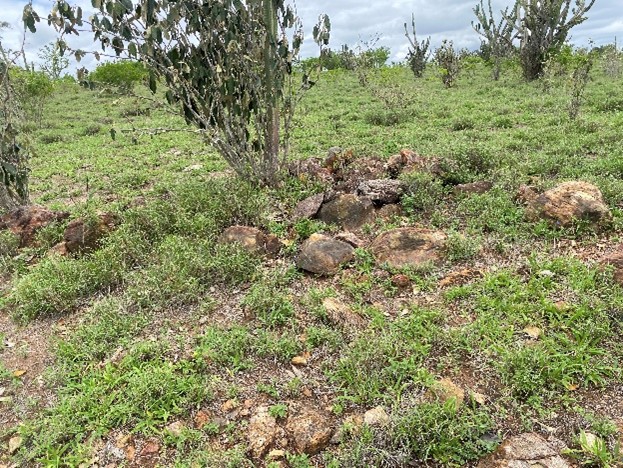
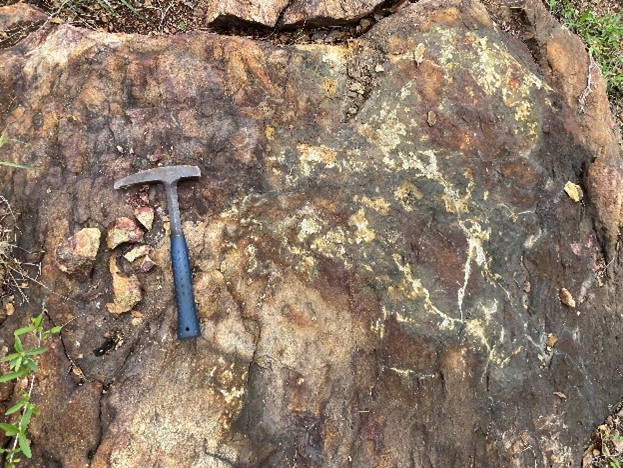
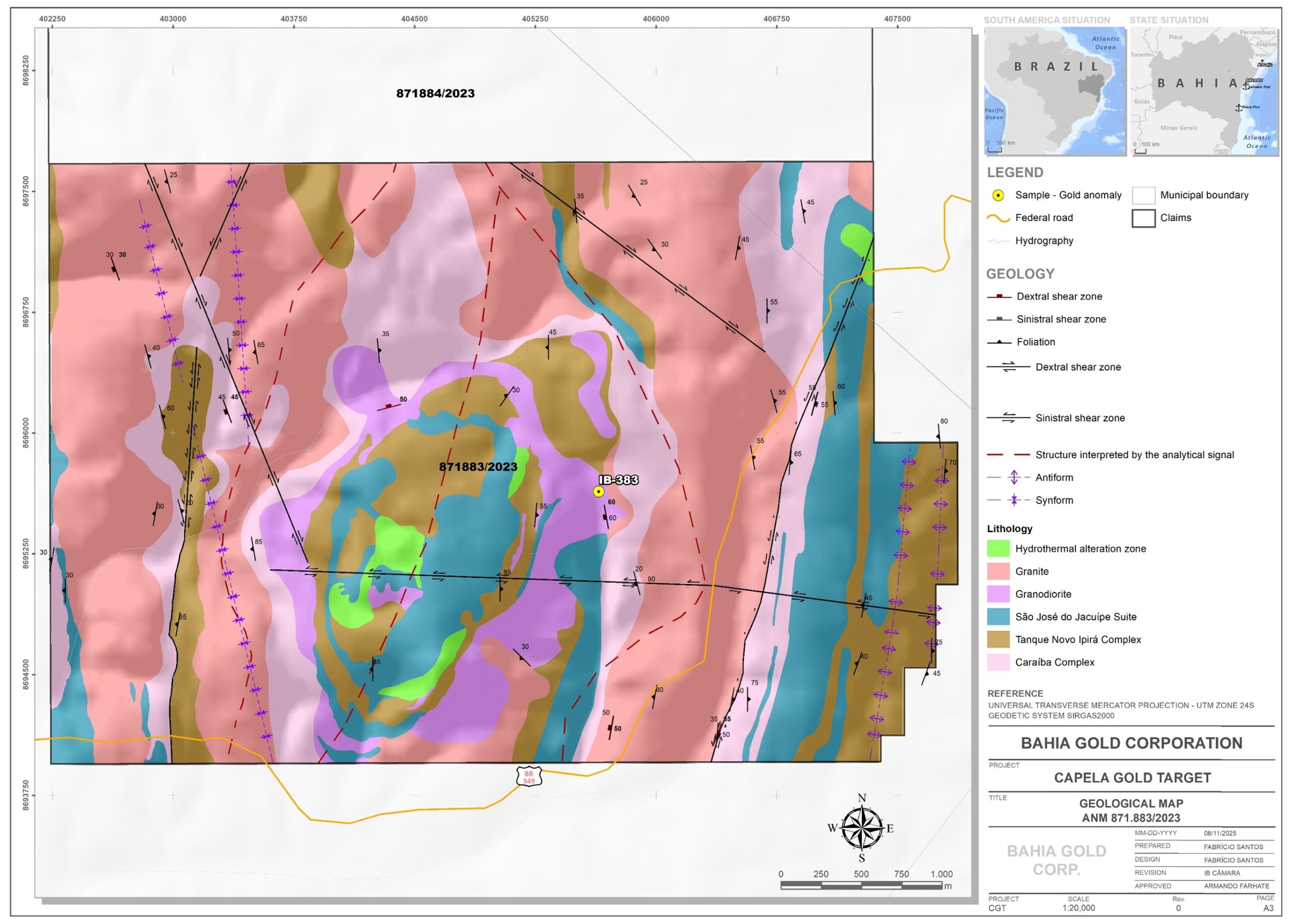
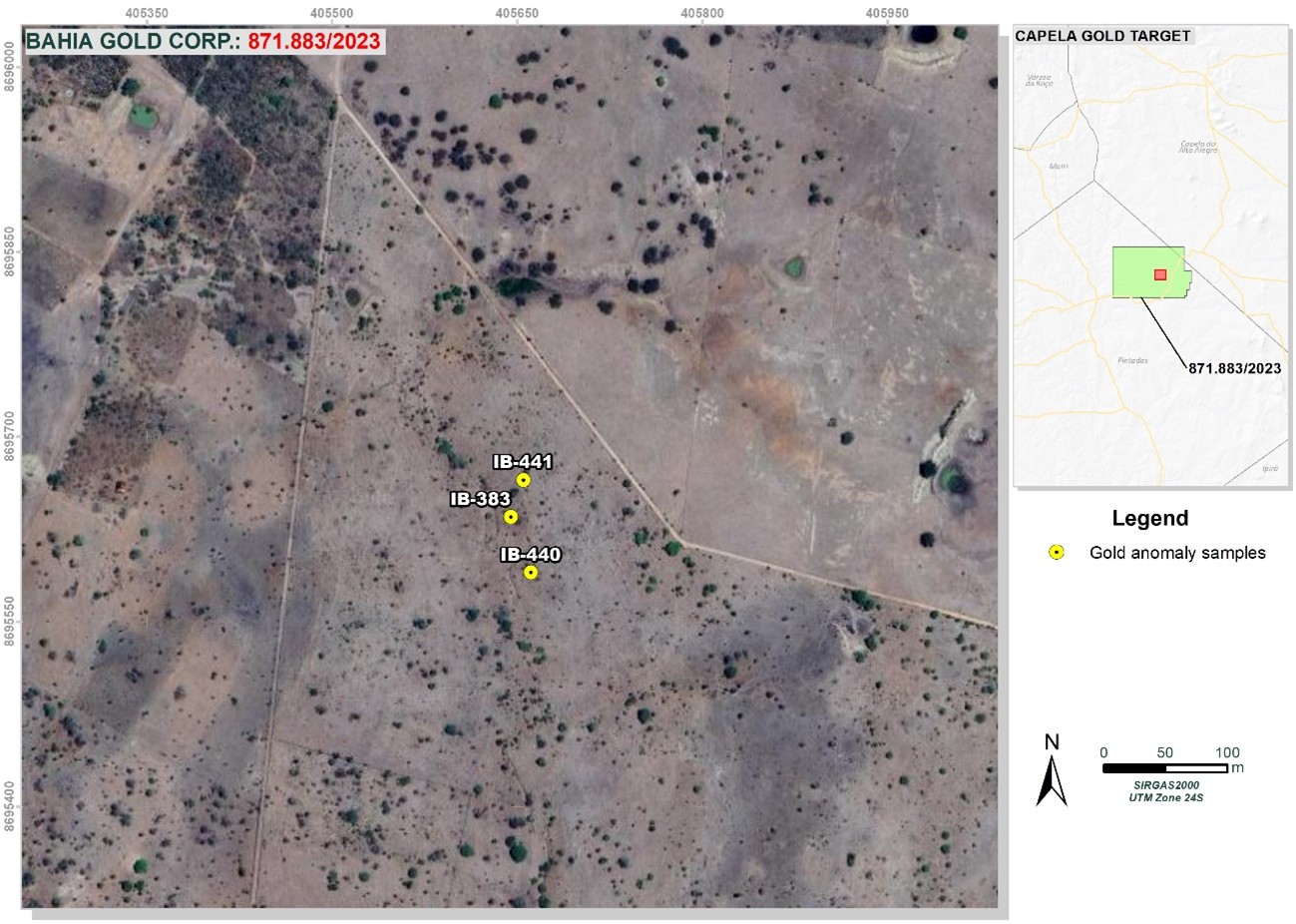
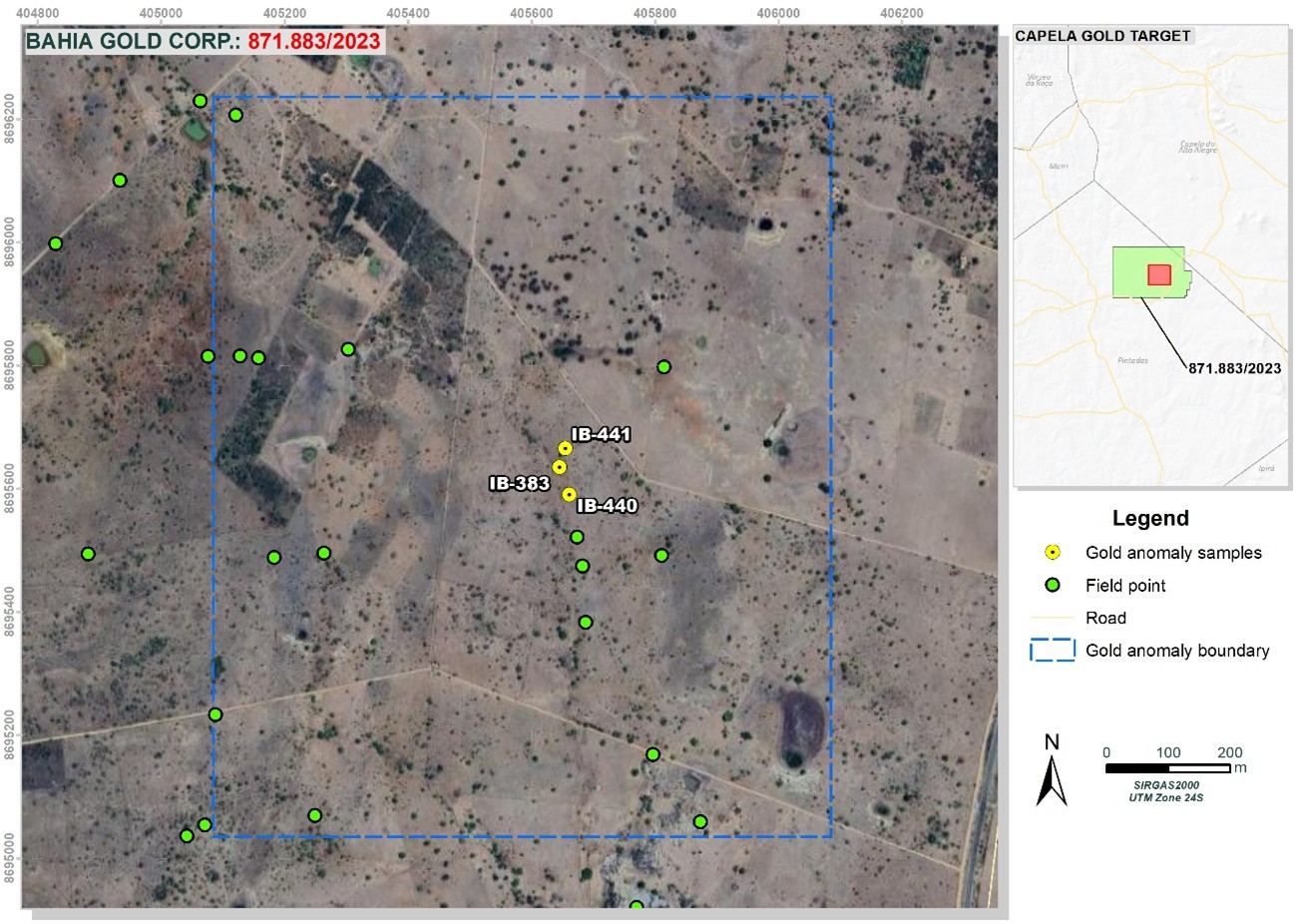
The Capela Asset was found from geological mapping focused on graphite prospecting in the Capela region. During this prospecting work, an outcrop with the presence of gossan was found in the 871883/2023 claim, on a pyrite granodiorite outcrop, with about 1 to 3% pyrite in the sample (visual estimate). Samples were sent to the laboratory and gold contents were found to reach 1373 ppb (1,3 ppm). A value that currently represents an gold ore content.
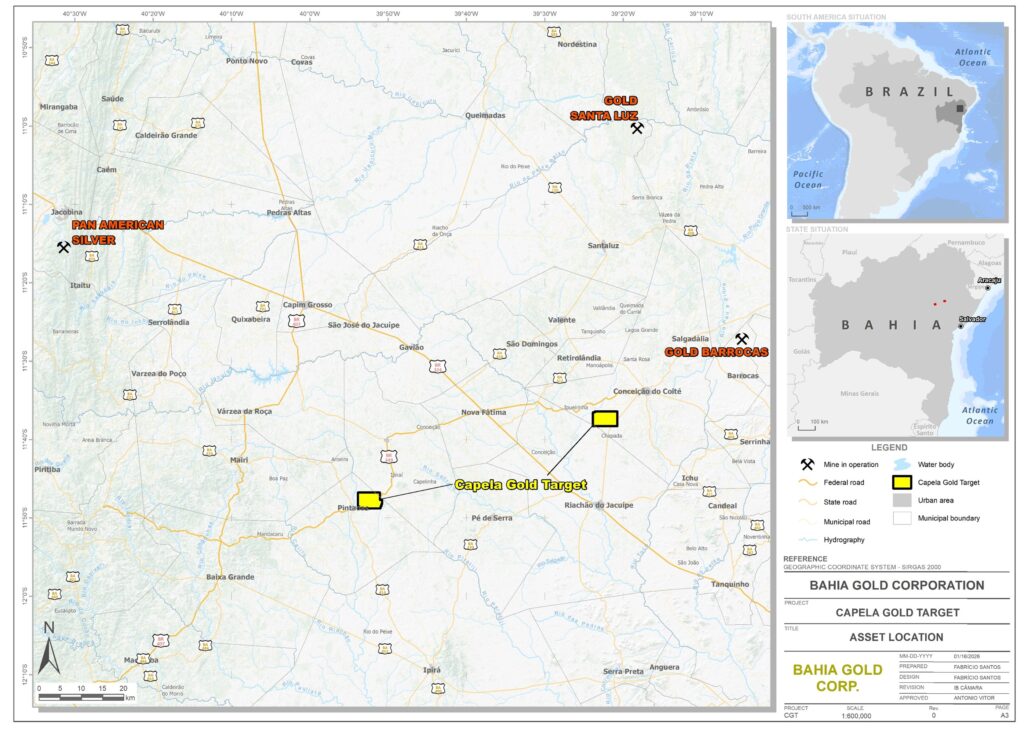
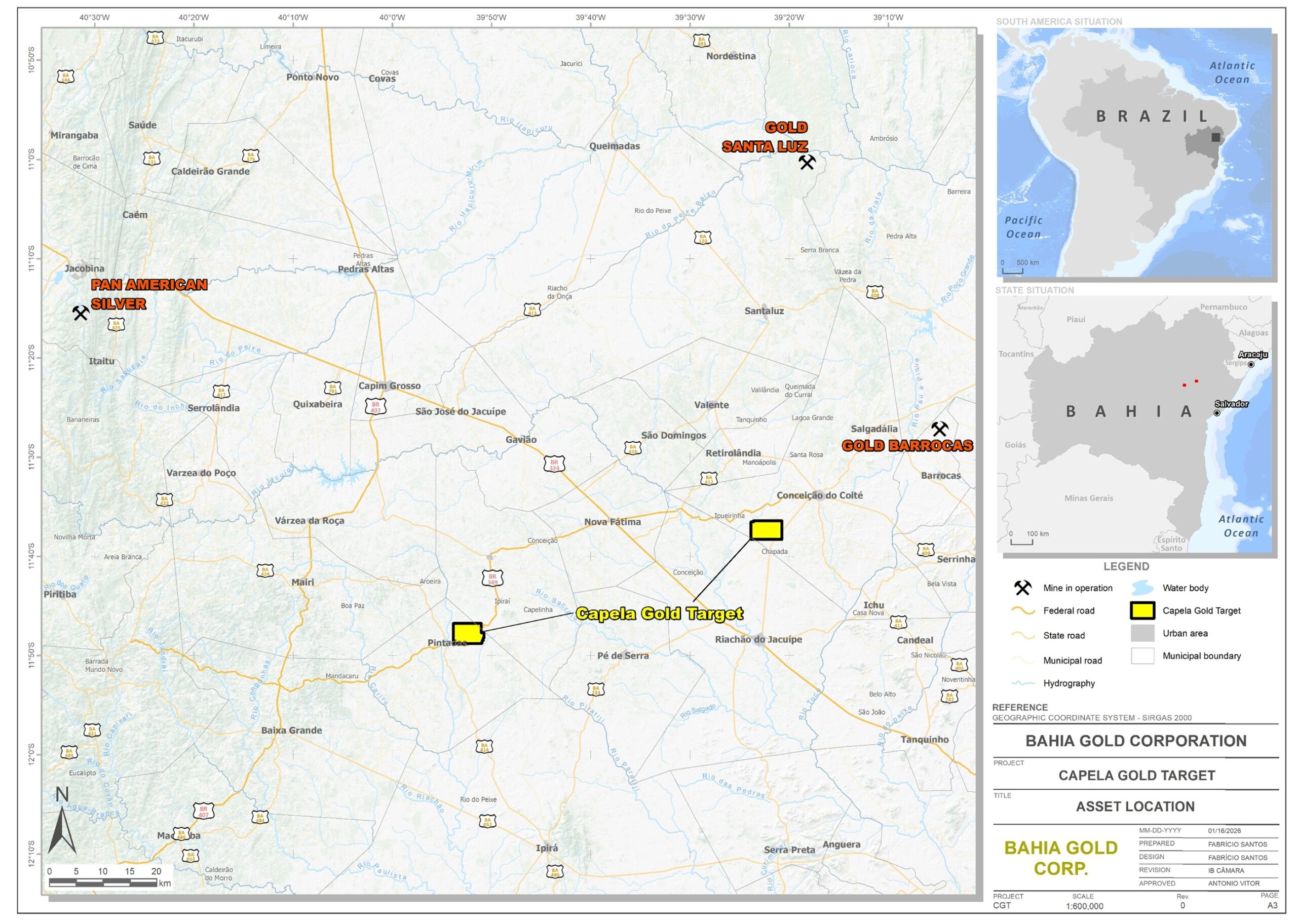
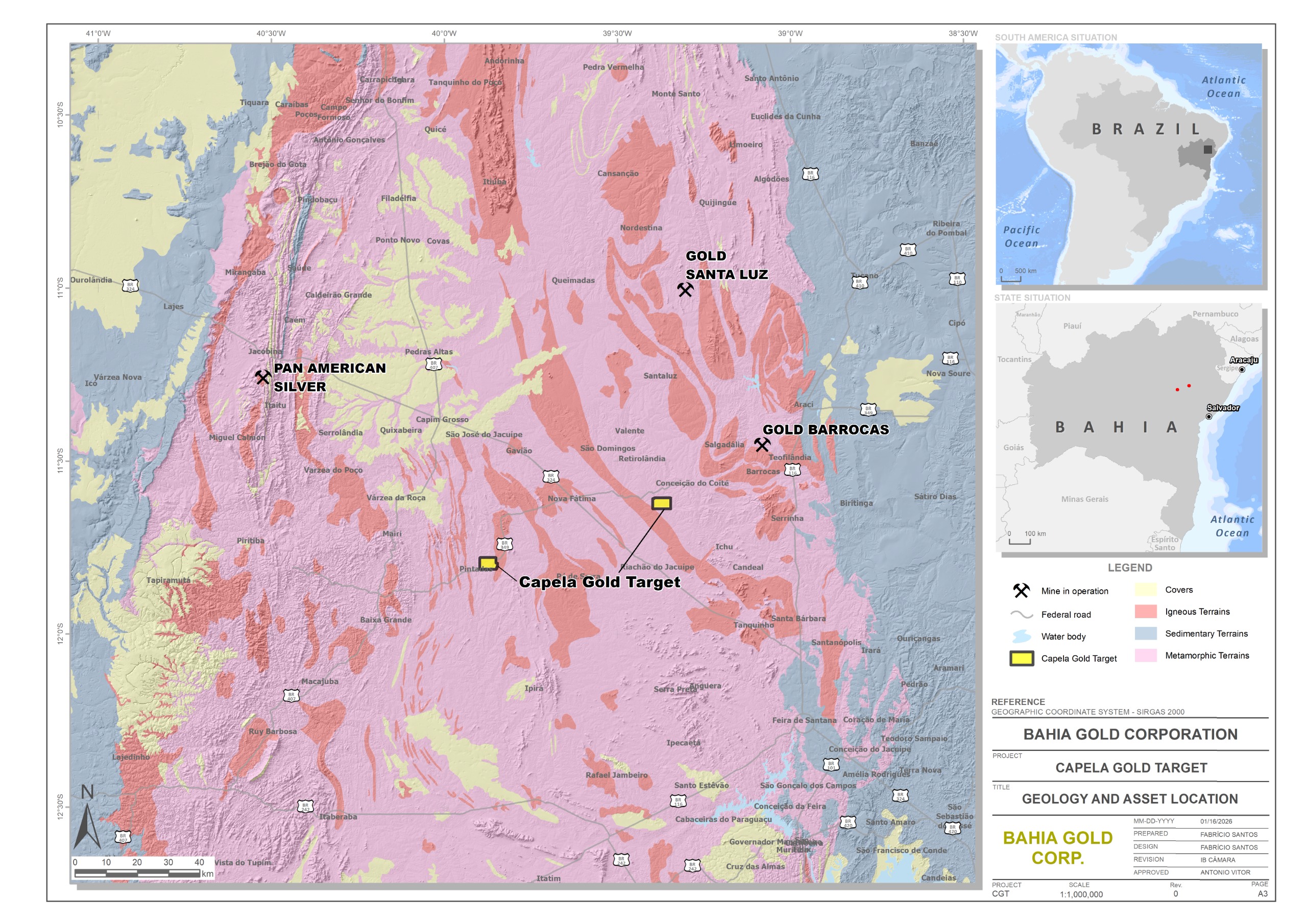
The Bahia Gold area is located in a region between important gold mines in the state of Bahia, Brazil. The most prominent in this scenario is the Jacobina mine complex (city of Jacobina), currently operated by Pan American Silver, which in 2024 had the highest production in the mine’s history, approximately 197,000 oz at 1.77 g/t, being one of the largest mine in the world. The Santa Luz mine (city of Santa Luz), Fazenda mine, formerly Fazenda Brasileiro (Barrocas), together produced, in the so-called Bahia Complex of the Equinox Gold Corp, approximately 135,000 oz, with the first producing a grade of 1.34 g/t of gold and the second 1.8 g/t of gold.
Key highlights for the Capela Gold project
Discovery and grades
- Geological mapping in claim 871883/2023 identified a pyritic granodiorite (1–3% pyrite) with gold assays of 423, 459 and 1,373 ppb (up to 1.37 ppm).
Geological model and upside
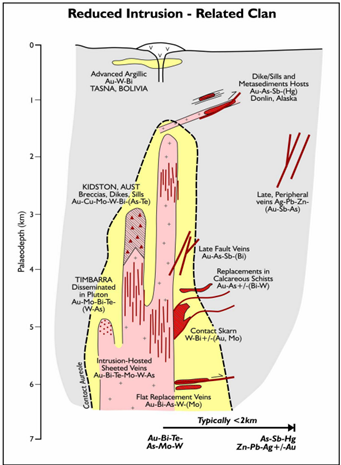
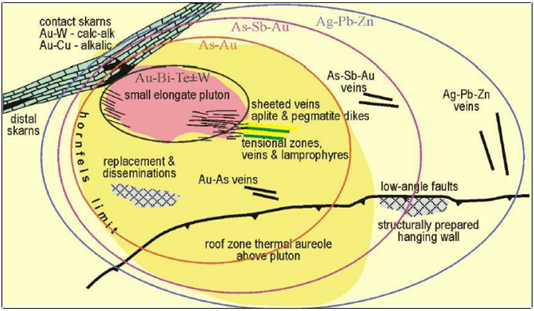
- The asset is interpreted as a reduced intrusion-related gold system in a dome-shaped granodiorite body, with mineralization likely concentrated in sheeted veins predicted to run 10–15 ppm Au, well above current intrusion-hosted values.
Regional mining camp setting
- The project lies between major producing operations including the Jacobina complex (~197,000 oz at 1.77 g/t in 2024) and Equinox Gold’s Santa Luz–Fazenda complex (~135,000 oz at 1.34–1.8 g/t), underscoring district-scale gold fertility.
Planned soil and geophysics work
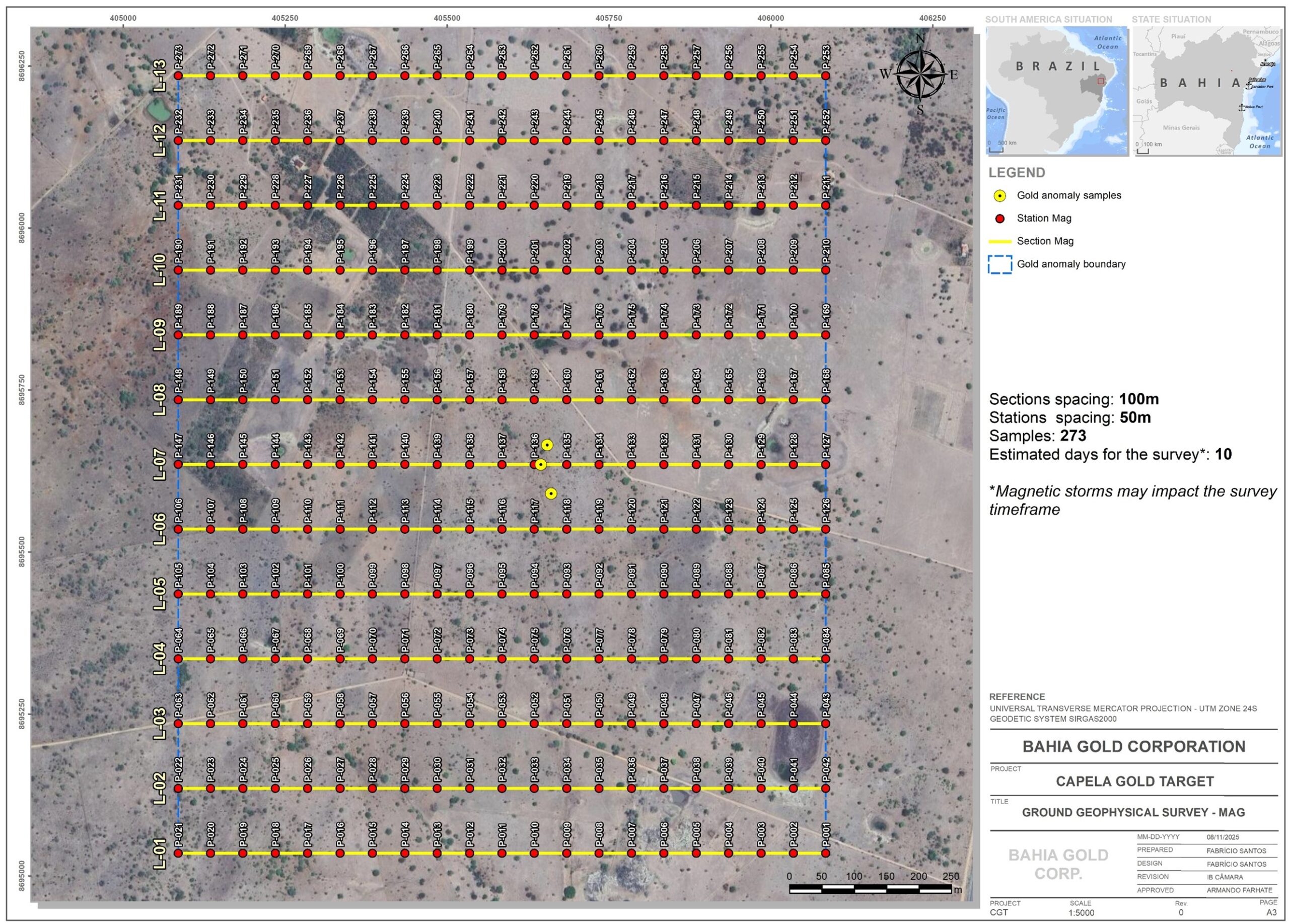
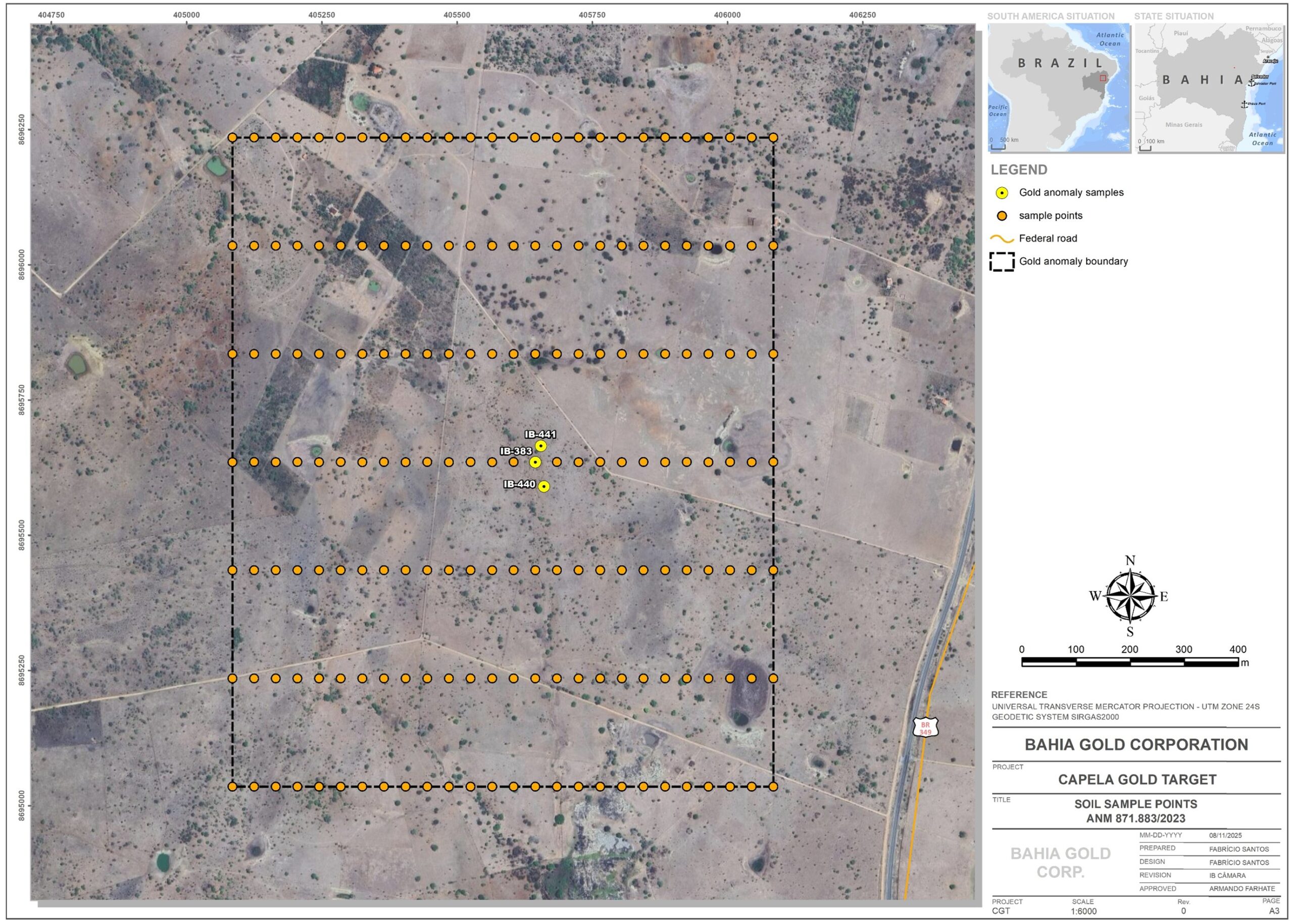
- A two-phase soil program (up to 390 samples over ~1.4 km²) and a 13-line ground magnetics survey (273 stations) are designed to trace the anomaly, map structures and refine drill targets over about six months.
Capela Gold present work done
- Work to date at the Capela Asset includes detailed geological mapping of claim 871883/2023, identification of a pyritic granodiorite dome with gossan, and rock-chip sampling that returned gold values up to 1.37 ppm, alongside anomalous silver and zinc.
Recommendations for work to be done in future:
- Complete the two-phase soil sampling program (up to 390 samples over ~1.4 km²) and the 13-line ground magnetometry survey to better define the gold anomaly, map structures, and refine target zones for drilling.
- If soil and geophysics results are positive, advance to a trenching and diamond drilling (DD) program, with a broader two-year exploration plan (including metallurgy and feasibility studies) budgeted at about R$ 8.75 million (~US$1.7 million).
Capela Gold Geology
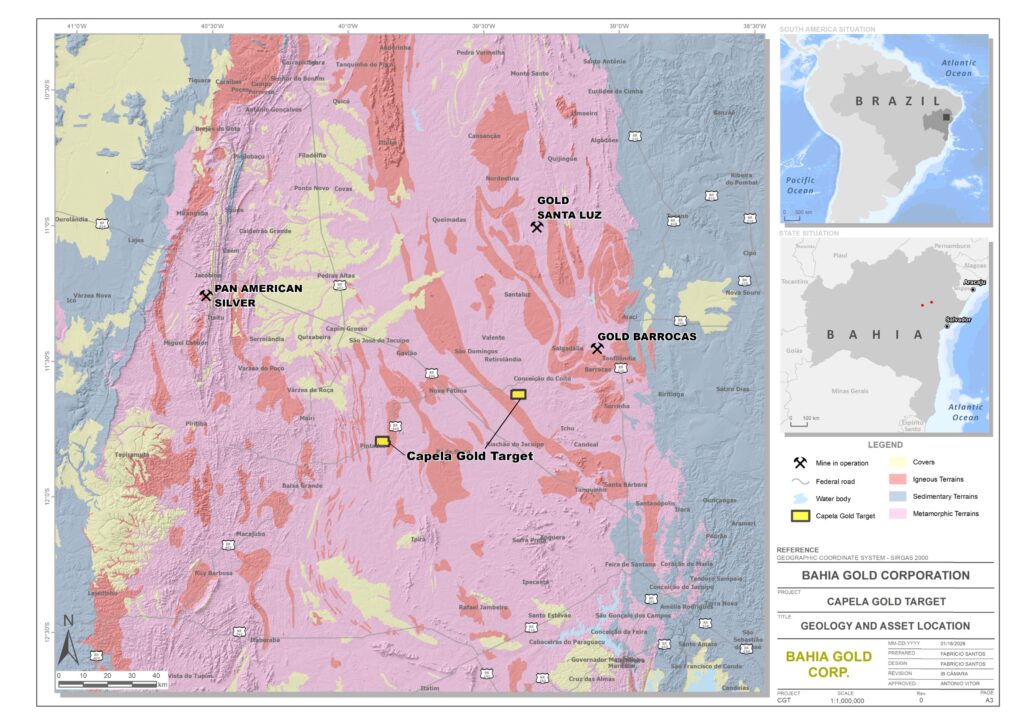
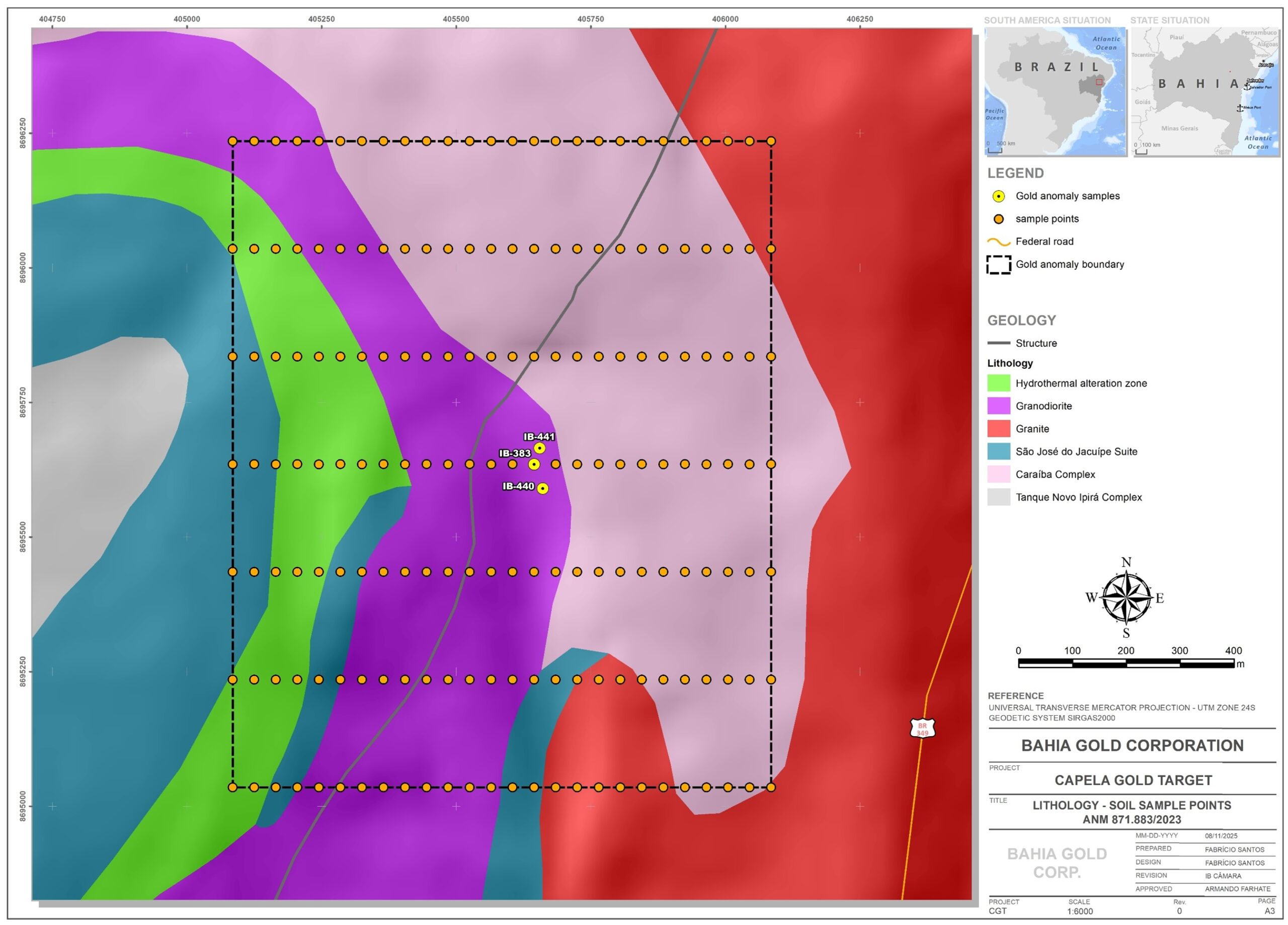
The Capela Gold Project is centered on a dome-shaped granitoid intrusion, classified in the field as a pyrite-bearing granodiorite, which intrudes and hydrothermally alters surrounding mafic/ultramafic rocks and metasediments at the edges of the dome. This granodiorite hosts 1–3% pyrite, local gossan, strong oxidation (yellow to reddish colors), and possible graphite points, with gold mineralization interpreted within an intrusion-related gold system where the current assays (up to 1.37 ppm Au) come from the intrusive host, and the main upside is expected in higher-grade sheeted veins predicted to occur within this same intrusive-domal setting.
Capela Gold Key features
Ore-grade gold anomaly in the intrusive host rock, with rock samples up to 1.37 ppm Au and additional anomalies in silver and zinc, suggesting a robust mineralizing event.
Geological interpretation that the current assays come from the host intrusion, with the main upside in higher-grade sheeted veins predicted to carry gold in the 10–15 ppm range within the same system.